
Small Business Digital Marketing Trends in London for 2026
Marketing changes every year, but 2026 feels different. AI search tools now answer questions before a customer even clicks a website, video keeps winning attention across every platform, and customers expect a personal touch even from a small local business.
Keeping up with it all can feel like chasing a moving target, especially when you’re running the business at the same time. This guide cuts through the noise and covers the digital marketing trends that actually matter for small businesses in London this year, and what to prioritise first.
Quick Answer: What Are the Top Digital Marketing Trends for 2026?
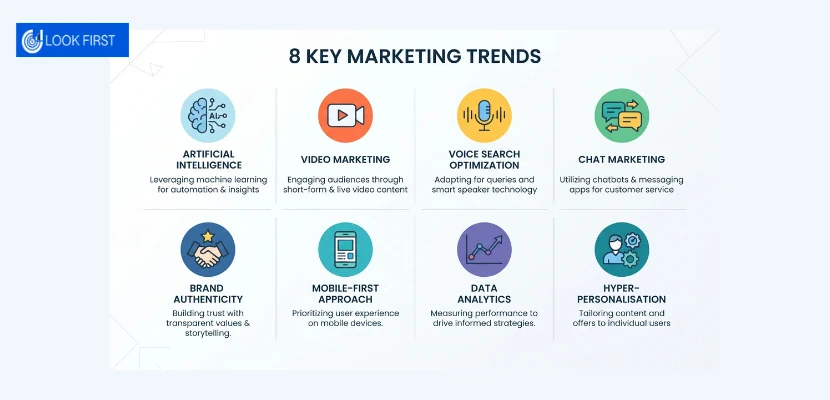
| Trend | What It Means | Cost to Get Started |
|---|---|---|
| AI search (AEO/GEO) | Showing up in AI Overviews, ChatGPT, and Gemini answers | Lowmainly time |
| Short-form video | 15–60 second clips on Reels, TikTok, Shorts | Lowphone camera is enough |
| Voice & conversational search | Content written to answer full, natural questions | Lowpart of existing content |
| Real-time engagement | Chatbots or fast automated first replies | Low–Moderate |
| Authenticity over polish | Behind-the-scenes, honest, less produced content | Low |
| Mobile-first websites | Fast, easy to use on a phone | Moderatemay need a rebuild |
| Results over vanity metrics | Tracking enquiries and conversions, not just followers | Lowmainly a mindset shift |
| Personalisation | Tailoring offers and content to what customers actually want | Low–Moderate |
The biggest shifts for small businesses in 2026 are AI-powered search (AEO and GEO), short-form video, authentic and less polished content, mobile-first websites, and marketing measured by real enquiries rather than vanity metrics like followers or impressions.
1. AI Search Is Changing How Customers Find You
Search no longer just returns a list of links. Google’s AI Overviews, ChatGPT, Gemini, and Perplexity now generate direct answers, often recommending specific businesses without the customer ever visiting a website. If you’re unfamiliar with the terms, our guides on GEO vs SEO vs AEO and why businesses need GEO break down what each one actually means.
The good news for small businesses is that this genuinely levels the playing field. AI systems reward clear, well-structured, trustworthy content over sheer brand size, meaning a small London business with sharp, honest content can earn visibility that used to be reserved for bigger competitors. A complete, regularly updated Google Business Profile is one of the most direct ways to influence what AI says about a local business.
2. Short-Form Video Keeps Winning Attention
Video remains the most engaging content format online, and the shift towards shorter, 15 to 60-second clips continues into 2026. According to Wyzowl’s 2026 video marketing data, 91% of businesses now use video as a marketing tool, and 87% report a strong return. Customers respond far more to unscripted, authentic footage than to polished, corporate-style production. For a small business, this is genuinely good news: a phone camera and a clear message often outperform an expensive shoot, especially on Instagram Reels, TikTok, and YouTube Shorts.
3. Voice Search and Conversational Queries Are Growing
With around half of UK homes now owning a smart speaker, more searches are phrased as full, natural questions rather than short keyword fragments, things like “best dog groomer in Camden” rather than just “dog groomer Camden”. Writing content in a conversational style, and answering common questions directly helps a business show up in both voice search results and AI-generated summaries at the same time.
4. Customers Expect Instant, Real-Time Engagement
AI chatbots have moved well beyond novelty. Customers increasingly expect a reply, even a basic one, at any time of day, not just during business hours. For a small business, this doesn’t have to mean a complex setup; even a simple automated first response on a website or social page can close the gap between a customer’s question and them choosing a competitor instead.
5. Authenticity Beats Polish
Audiences, particularly younger customers, increasingly value honesty over perfection. Sharing behind-the-scenes moments, admitting a mistake publicly, or showing the people behind the business builds more trust than a flawless highlight reel.
This goes beyond general “be authentic” advice: turning a recurring customer complaint into content, or gently poking fun at tired industry clichés, are specific, low-cost ways small businesses stand out in 2026.
This trend suits small businesses well, since it rewards personality and consistency rather than production budget, and it’s exactly the kind of approach we help local businesses build, from independent shops working with our digital marketing agency in Brent to service providers across London.
6. Mobile-First Is No Longer Optional
More than half of UK online traffic now comes from mobile devices, and that share keeps growing. A website that loads slowly or looks awkward on a phone loses customers before they even see what’s on offer, especially since most “near me” searches happen on a phone when someone is deciding where to go.
Our guide to mobile-first web design shows what this looks like in practice.
7. Marketing Is Judged on Real Results, Not Vanity Metrics
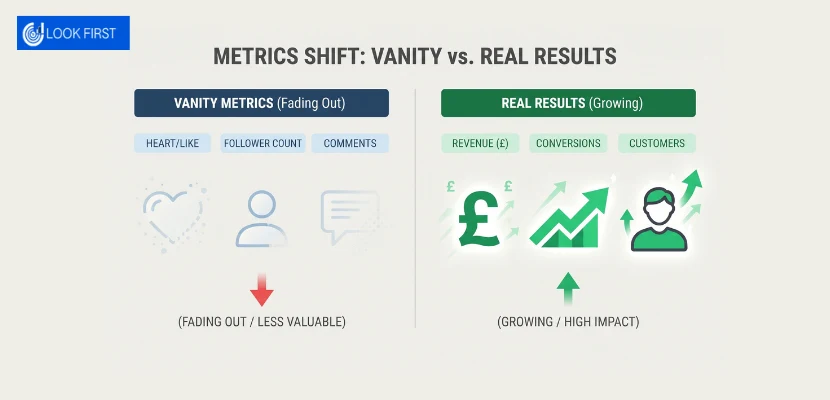
Followers and impressions are losing weight as measures of success. Businesses are increasingly tracking enquiries, cost per customer, conversion rates, and long-term customer value instead. This shift pushes small businesses towards marketing that supports actual growth, rather than activity that just looks good on a dashboard.
8. Personalisation Goes Beyond a First Name
Customers now expect a marketing experience that feels genuinely relevant, not just an email with their name inserted. This might mean tailored offers based on past purchases, or content that speaks directly to a specific local audience rather than a generic message sent to everyone at once. Small businesses can achieve this without expensive tools, simply by segmenting communication around what customers have actually shown interest in.
A few bigger trends, like VR and AR marketing, are also growing, but they tend to suit larger budgets better and aren’t yet a priority for most small London businesses. Worth keeping an eye on, not worth rushing into.
What Should A Small London Business Actually Prioritise?
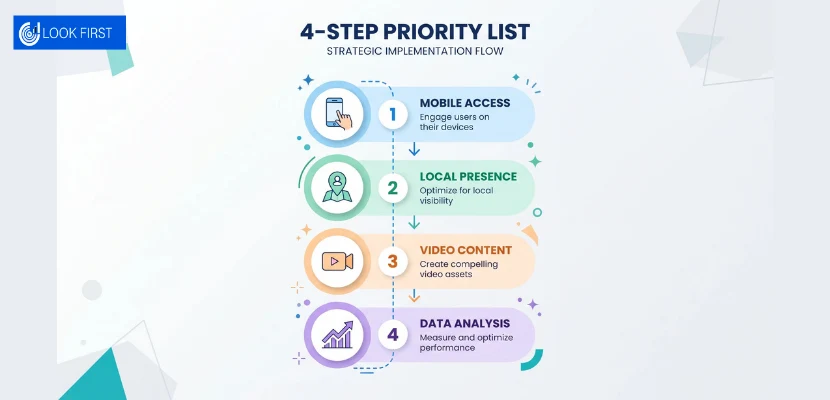
With limited time and budget, acting on every trend at once isn’t realistic. A sensible order for most small businesses, whether you’re a shop on a Haringey high street or a service business covering several boroughs, is on our digital marketing agency in Haringey page, which has more on how we help locally:
- Get the website mobile-friendly and fast if it isn’t already, since this affects every other channel.
- Keep the Google Business Profile complete and active, since it feeds both traditional local search and AI-generated answers.
- Start posting short, honest video content, even informally, rather than waiting for a polished campaign.
- Track enquiries and conversions, not just likes and followers, so marketing spend goes where it actually works.
Conclusion
None of this year’s trends requires a corporate marketing budget. AI search rewards clarity over size, video rewards authenticity over polish, and customers increasingly respond to businesses that feel genuine rather than perfectly produced. For a small business in London, the winning approach in 2026 isn’t chasing every new platform; it’s getting the fundamentals right, mobile-friendly, honest, and measured by real results, then building from there.
If putting this into practice feels like a lot to manage alongside running the business, our digital marketing services cover everything from AI search visibility to social content and website performance. Contact our team today for a free consultation.
Frequently Asked Questions
Yes, increasingly so. AI-generated answers are becoming a genuine discovery channel, and businesses that build a clear, well-structured online presence now are positioning themselves ahead of competitors who wait.
Yes. Short, authentic clips filmed on a phone often perform better than expensive, polished video, since audiences respond to honesty over production value.
For most local businesses, a fast, mobile-friendly website paired with an accurate, active Google Business Profile has the biggest overall impact, since it supports every other channel built on top of it.