
The Ultimate Local SEO Guide for Edmonton Small Businesses
Local SEO for small businesses in Edmonton means optimising your Google Business Profile, website, and online reviews so you appear in local search results and on Google Maps when nearby customers search for your services. It relies on three factors: relevance, distance, and prominence, with reviews and citations playing the biggest role you can directly influence.
Walk down Fore Street on a Saturday morning, and you’ll see why this matters. Independent cafes with queues out the door. Barbers who’ve been cutting hair in the same shop for twenty years. Trades vans parked outside houses across N9 and N18, doing work that keeps this part of Enfield running.
None of that guarantees you’ll be found on Google.
That’s the frustrating bit. You can run the best plumbing business in Edmonton or make the best flat white on the high street, and still lose the customer searching “plumber near me” to a business three streets away with a better Google presence. Not a better service. A better Google presence.
This guide is for Edmonton business owners who want to fix that. No jargon, no vague promises, just a clear walkthrough of how local SEO services actually work and what you can do about it starting today.
Local SEO Guide For Edmonton Small Businesses
Local SEO is the process of making your business easier to find when someone nearby searches for what you offer, based on how Google Search actually works. Think “electrician Edmonton N9” or “best Sunday roast near me.” It’s different from general SEO, which competes for rankings across the whole country or globe.
For a business in Edmonton, that distinction matters enormously. You’re not trying to outrank a national chain for a broad term. You’re trying to be the obvious answer when someone in N9, N18, or nearby parts of Enfield searches for exactly what you do.
Google reports that a huge share of all searches, close to half by some estimates, carry local intent. People aren’t browsing. They’re looking for something now, near where they are, and they tend to act quickly once they find it.
That’s the opportunity. A well-optimised local presence puts you in front of people who are ready to buy, book, or visit, not just people passing time online.

How Google Decides Which Local Businesses To Show
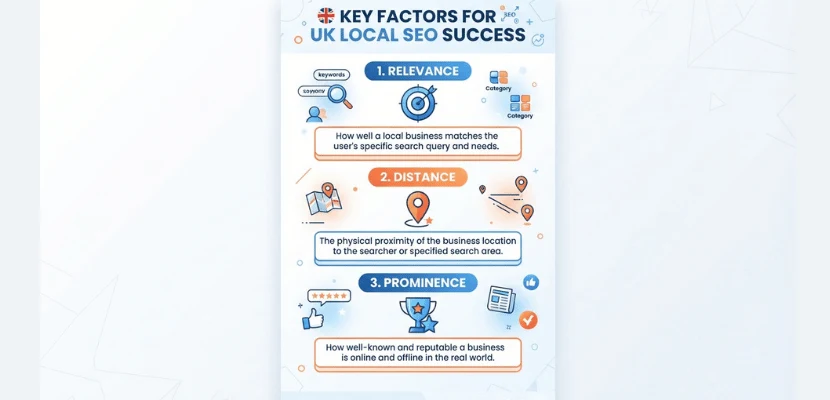
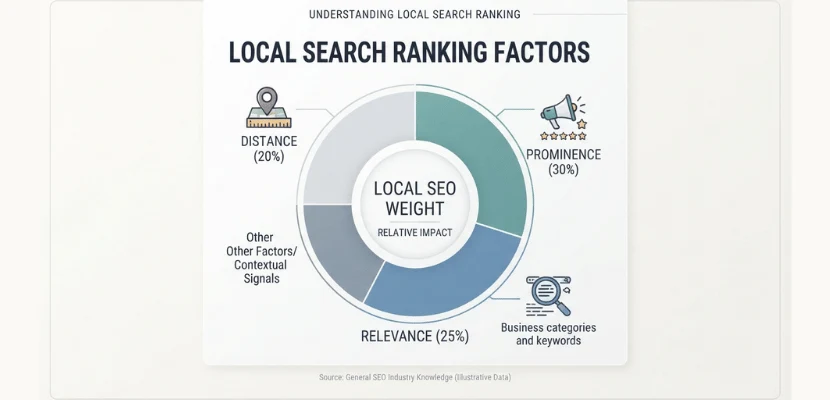
Google doesn’t rank local results the same way it ranks standard web search results. It weighs three specific local ranking factors, and understanding them changes how you approach everything else in this guide.
Relevance: Matching Search Intent
This is simply how well your business matches what someone is searching for. If your Google Business Profile lists you as a “general contractor” but someone searches “roof repair Edmonton,” a more specific, accurately categorised competitor will likely beat you to it.
Distance: Why Location Still Matters
Google estimates how far each nearby business is from the location implied by the search, or from the searcher’s actual location if the searcher has allowed it. You can’t move your premises, but you can make sure your address data is accurate and consistent everywhere it appears online.
Prominence: Reviews, Links, and Authority
This is where the real competitive edge lives. Prominence reflects how well-known and well-regarded your business is, based on signals such as review volume, review quality, backlinks, and overall online presence. It’s the factor most within your control, and the one most Edmonton businesses neglect.
How To Optimise Your Google Business Profile
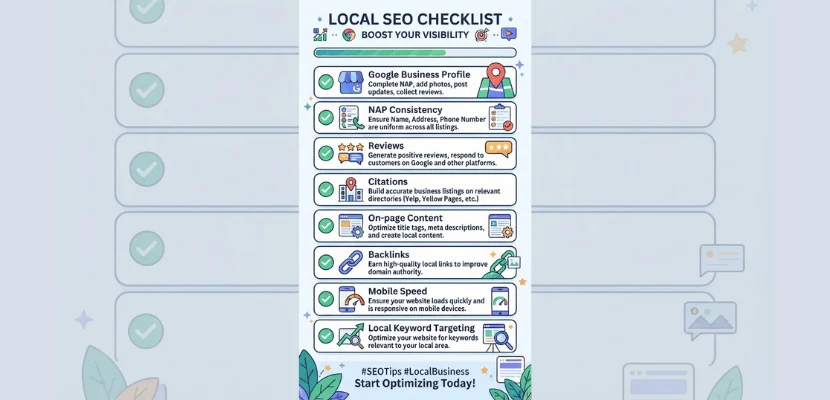
Your Google Business Profile ranking is the single most important local SEO asset you own. It’s free, and most businesses still only fill in half of it.
Choosing the Right Categories and Services
Pick a primary category that matches exactly what you do, not a broad umbrella term. A paving contractor should select “paving contractor,” not just “contractor.” Add secondary categories for anything else you genuinely offer, and list your services individually in the profile rather than lumping them into a single vague description.
Photos, Business Descriptions, and Attributes
Profiles with photos get considerably more clicks and direction requests than those without, and it’s not close. Upload real photos of your premises, your team, and completed work, not stock images. Write your business description in plain, specific language, and use the attributes section (wheelchair-accessible, women-led, appointment-required) since these often influence which searches you appear for.
Using Google Posts and Q&A
Most business owners never touch Google Posts, which makes it an easy way to stand out. Post updates about seasonal offers, new services, or local involvement every few weeks. Keep an eye on the Q&A section too. Customers often ask questions there before ever calling you, and an unanswered question left sitting for weeks looks worse than no question at all.
Getting Your NAP Consistent Across The Web
NAP stands for Name, Address, and Phone number, and consistency here is one of those unglamorous SEO basics that quietly makes or breaks your rankings.
If your Google Business Profile lists “14 Fore Street, Edmonton, N9 0NG” but your website footer says “14 Fore St, London N9,” Google reads that as a mismatch. Individually, it seems trivial. Across dozens of directories and citations, it adds up to genuine confusion about which business is actually yours.
Audit your listings across Google, Bing Places, Yell, Facebook, and any trade-specific directories. Pick one exact format for your name, address, and number, and use it everywhere without variation.
Building Local Citations And Directory Listings
A citation is any online mention of your business name, address, and phone number, whether or not it links to your site. They act as trust signals that reinforce your legitimacy and location in Google’s eyes.
Best UK Directories for Edmonton Businesses
Start with the fundamentals: Google Business Profile, Bing Places, Yell, Thomson Local, and Trustpilot. From there, look for Enfield-specific or trade-specific directories relevant to your industry, such as local chamber of commerce listings or trade body directories like Checkatrade or NAPIT for tradespeople.
Avoiding Duplicate or Outdated Listings
Old listings from a previous address or a since-closed second location can actively work against you. Search your business name periodically and clean up anything outdated. A single accurate listing beats five conflicting ones every time.
Why Reviews Matter More Than You Think
Reviews aren’t just for reassuring customers anymore. They’re a direct ranking signal and a core part of your E-E-A-T, the trust and authority signals Google looks for.
Research from BrightLocal has consistently found that the vast majority of consumers read online reviews of local businesses before making a decision, and that reviews play a major role in how trustworthy your business appears to local shoppers. That trust translates directly into whether someone picks up the phone.
How to Get More Google Reviews Ethically
Ask at the right moment, right after a job is completed or a purchase is made, when satisfaction is freshest. A simple text or email with a direct link to your review page removes friction and dramatically increases response rates. Never buy reviews or offer discounts in exchange for them; Google actively penalises this, and it damages trust when customers notice.
Responding to Reviews (Good and Bad)
Reply to reviews, all of them, not just the glowing ones. A thoughtful, professional response to a negative review often does more for your reputation than the five-star reviews sitting above it, because it shows prospective customers exactly how you handle problems.
On-Page Local SEO For Your Website
Your Google Business Profile gets you into the conversation. Your website is what closes the sale, and it needs its own local signals too.
Location Pages and Local Keywords
If you serve more than one area, build a dedicated page for each, with genuinely unique content rather than the same paragraph with the place name swapped out. Mention Edmonton and nearby landmarks naturally within your service descriptions, headings, and image alt text, but don’t force it into every sentence.
Mobile Speed and User Experience
Most local searches happen on a phone, often from someone standing outside deciding whether to walk in, which is why mobile-first web design matters so much for local SEO. A slow-loading site or a hard-to-find phone number costs you customers before they even see what you offer. Keep your contact details visible, and make sure your site reflects what makes a good website in the first place.
Local Link Building For Edmonton Businesses
Backlinks from other websites still carry serious weight in local prominence, and local ones are often easier to earn than people assume.
Community Partnerships and Local Press
Sponsoring a school fair, a football club, or a community event often comes with a mention and a link on the organiser’s website. Local news sites and community blogs will sometimes cover a genuinely interesting story about your business, whether that’s an anniversary, an award, or something unusual you’re doing.
Sponsorships and Local Directories
Trade associations, chambers of commerce, and business improvement districts often list member businesses with links back to their sites. These aren’t glamorous links, but they’re relevant, local, and exactly what Google looks for as prominence signals.
Local SEO And AI Search: What's Changing In 2026
AI Overviews and AI-powered search tools, part of what’s called GEO (generative engine optimisation), are increasingly answering local questions directly, sometimes without the searcher ever clicking through to a website. If someone asks an AI assistant “who’s a good roofer in Edmonton,” the answer often draws on the same signals covered in this guide: strong review profiles, consistent business information, and clear, well-structured content.
The businesses showing up here are, almost without exception, the ones who already had strong fundamentals covered under GEO vs SEO vs AEO. There’s no separate shortcut for AI visibility. Get the basics right, and you’re already positioned for it.
Common Local SEO Mistakes To Avoid
A handful of avoidable errors account for most of the lost visibility we see in Edmonton businesses:
- Running duplicate Google Business Profiles for the same location
- Inconsistent NAP details across directories and the website
- Ignoring or ignoring reviews for long stretches
- Publishing thin, generic location pages that read the same as every competitor’s
- Stuffing keywords into descriptions instead of writing naturally for customers
- Leaving the Google Business Profile untouched for months at a time
How Long Does Local SEO Take To Work?
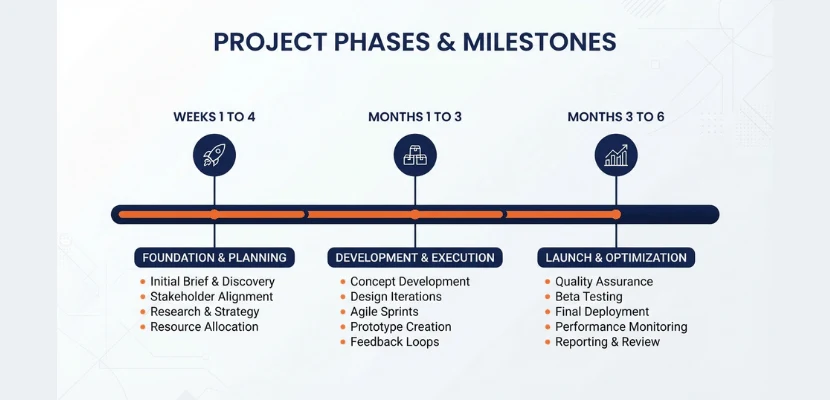
Honestly, longer than most people want to hear. Basic Google Business Profile fixes can show small movement within a few weeks. Meaningful, durable ranking improvement typically takes three to six months of consistent work, which aligns with the SEO Timeline to deliver broader results.
That timeline frustrates many business owners, but it’s also why local SEO is defensible once you’ve built it. A competitor can’t simply copy their way to your review count or your years of consistent local signals overnight.
Ready To Be Found In Edmonton?
If you’d rather have this handled properly than squeeze it in between running your business, get a free local SEO audit from Look First Marketing, a digital marketing agency in Edmonton, and see exactly where you’re losing visibility and what it’ll take to fix it. We also offer a wider range of digital marketing services if you’re looking to grow beyond local search.
Conclusion
Local SEO isn’t a switch you flip once and forget. It’s a compounding effort, the same principle covered in our complete SEO guide, built profile by profile, update by update, review by review, citation by citation. But that’s exactly why it works so well for genuine Edmonton businesses.
The bigger, less local competitor down the A10 can’t out-Edmonton you. They don’t have your reviews, your community ties, or your years of local reputation. Local SEO simply makes sure Google, and increasingly AI search, can see what your customers already know.
FAQS
Local SEO is the practice of optimising your online presence so your business appears in search results for people nearby. It works through three main factors: relevance to the search, distance from the searcher, and prominence, which includes reviews, citations, and links.
Basic changes to your Google Business Profile can produce small improvements within a few weeks. More substantial ranking gains, built through reviews, citations, and content, typically take three to six months of consistent effort to show clearly.
Focus on a fully completed Google Business Profile, consistent NAP details across the web, a steady flow of genuine reviews, and accurate categories. These four factors have the biggest direct influence on Google Maps visibility for local businesses.
Yes, particularly for businesses relying on nearby customers, such as trades and hospitality. Local searches often carry high buying intent, and ranking well puts you in front of customers who are actively ready to book or buy rather than just browsing.
Costs vary widely depending on scope, but many UK agencies charge anywhere from a few hundred to over a thousand pounds per month for ongoing local SEO. DIY approaches cost only time, though results tend to be slower without dedicated expertise.
Complete every section thoroughly, choose accurate, specific categories, upload genuine photos regularly, and post updates every few weeks. Respond to reviews and questions promptly, since an active, complete profile consistently outperforms a neglected one.