
Ecommerce Website SEO In London
Your products are on Amazon, eBay, and three other marketplaces, and they take a cut of every order. Our e-commerce website SEO in London gets your own store ranking for the searches those platforms are winning, so more of the margin stays with you.
ECOMMERCE SEO
Ecommerce SEO Services Built To Grow Your Orders
We take your category pages, product listings and technical setup and rebuild them around what shoppers search for before they buy. Most stores optimise the wrong pages and have technical problems they cannot see. We fix both.
- We rewrite manufacturer descriptions across your catalogue, so your listings stop competing with forty identical ones
- We take control of filters and faceted URLs, so Google spends its crawl budget on pages that can actually rank
- We restructure your category pages around commercial intent, because that is where the purchase volume sits

OUR ECOMMERCE SEO SERVICES
Everything Your Online Store Needs To Rank And Sell
Six areas of work, each targeting a specific reason online stores fail to rank.
Category optimisation
We restructure and rewrite the highest-intent pages on your store, so they rank for terms that carry real purchase volume behind them.
Product content at scale
We rewrite manufacturer copy across your catalogue, so your listings stop competing with forty identical descriptions on other sites.
Faceted navigation
We handle filters and parameters with canonicals, robots rules and indexing logic, so Google crawls the pages that can rank for you.
Technical & speed fixes
We fix site speed, crawl errors, structured data and mobile issues, because large catalogues fail technically before they fail on content.
Product schema markup
We mark up price, availability, ratings and stock properly, so your listings show stars and pricing while rivals show plain blue links.
Migration and replatform
We move you to Shopify or WooCommerce without losing rankings, mapping every URL before launch rather than repairing damage afterwards.





Ready To Sell More Without Paying Per Click?
Every marketplace order costs you a commission, and the customer belongs to them afterwards. We build an organic channel that costs nothing per sale and brings buyers back to you directly.
Case Study
What We've Achieved For Clients
A selection of client work across SEO and local search, with measured outcomes.
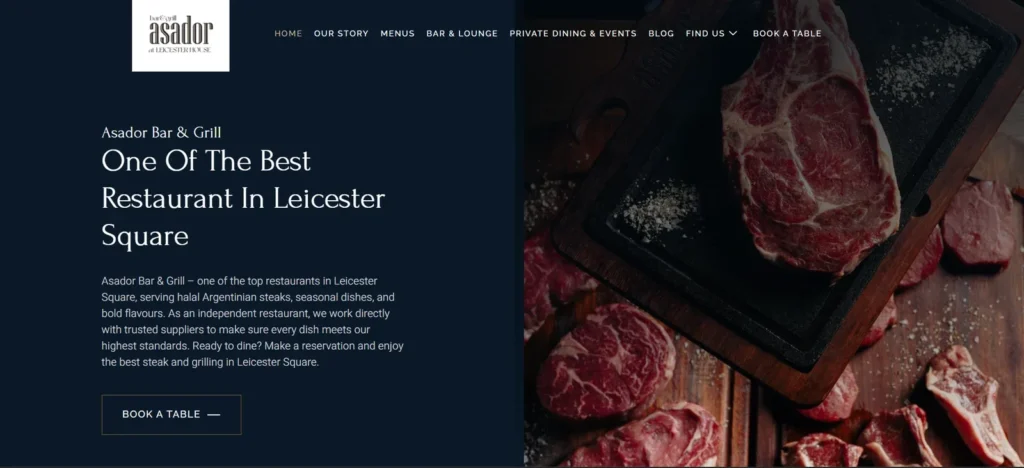
Asador Bar & Grill
From just 1.5K monthly visitors to 18K, here’s how we helped Asador Bar & Grill...
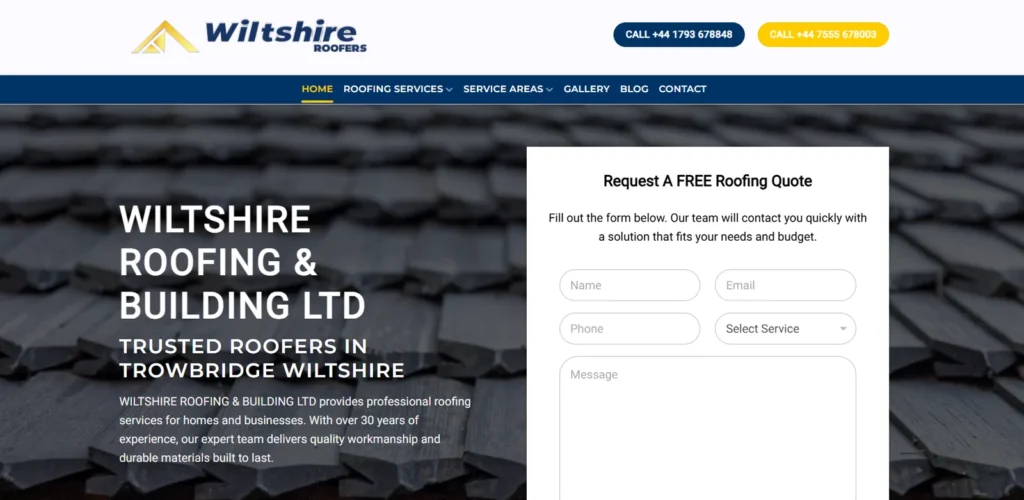
Wiltshire Roofing & Building
From zero online presence to ranking across Trowbridge and beyond, here’s how we...
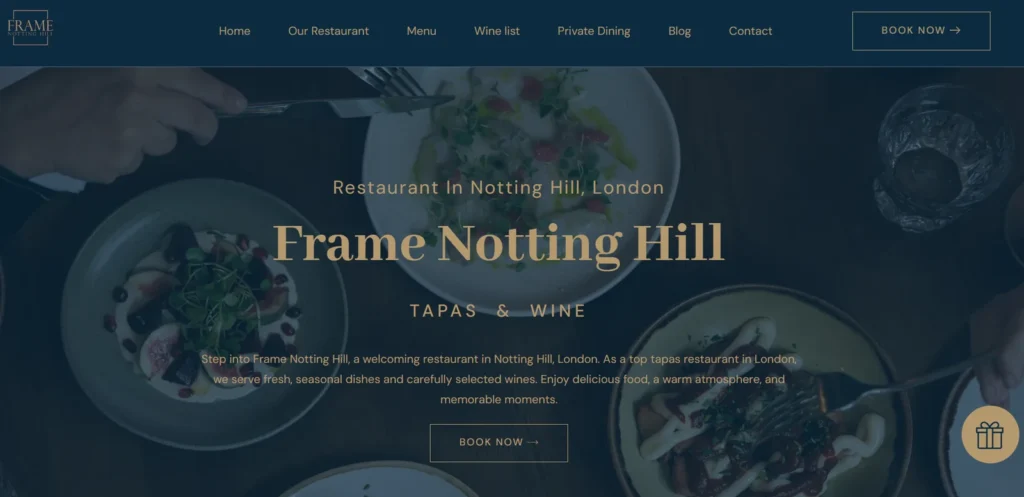
Frame Notting Hill
From a hidden gem in Notting Hill to ranking #1 for tapas searches across London...

RBG Roofing LTD
From a growing local roofing company to ranking across the Forest of Dean, here’s how we...

Heritage Paving Ltd
From a growing local paving company to ranking across Essex and multiple surrounding...
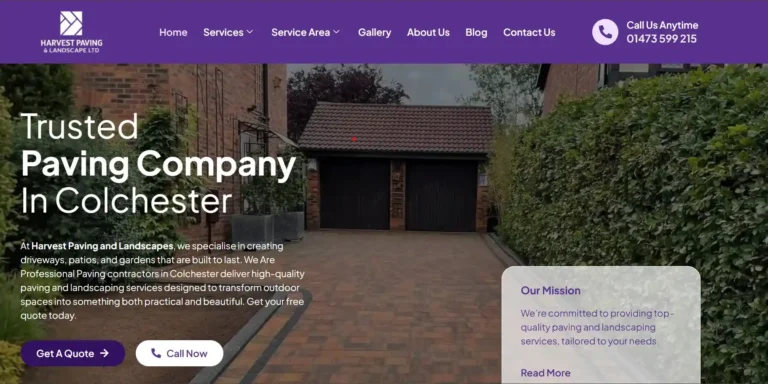
Harvest Paving LTD
From a brand new site with no rankings to dominating local search in Colchester...
First4Paving
First4Paving had the reviews and the reputation, but barely 50 keywords ranking...
ECOMMERCE SEO SPECIALISTS
We Optimise For Revenue, Not Sessions
Many stores rank well but sell poorly. Informational rankings bring readers, not buyers, and a blog post about choosing a mattress does not pay for itself. We target commercial intent instead: searches where someone has already decided what they want and is choosing where to buy it.
That is what our ecommerce SEO services in London are built to do. Find the shoppers with a card in hand, and make sure your store is what they find.
We work alongside your developer
Most stores already have an agency or in-house dev. We give them prioritised, specific tickets rather than a PDF of recommendations that nobody has time to interpret.
Seasonal peaks planned around
No migrations in November, no structural changes during your busiest quarter. The work calendar bends around your trading calendar, not ours.
Revenue tracking, not session tracking
GA4 ecommerce and Search Console are connected properly, so you see revenue by landing page and category rather than a traffic number with no money attached.
We work with your product feed too
Shopping feed quality affects both organic and paid. Titles, attributes and categorisation are fixed once and benefit both channels.
FAQs
What Store Owners Ask Us First
Straight answers to what online retailers want to know before starting.
Ecommerce website SEO is the process of improving an online store’s visibility in search results so shoppers find your products directly rather than through marketplaces or paid ads. It covers category and product page optimisation, technical fixes for large catalogues, structured data, and content targeting commercial search intent.
Technical improvements often show within four to eight weeks. Competitive category and product terms typically take four to eight months, depending on catalogue size and how much technical debt the site is carrying.
Most online stores spend between £1,000 and £4,000 a month. A small Shopify catalogue sits at the lower end. Large multi-category stores need more, because product content and technical work scale with the number of pages.
Ads deliver traffic immediately but stop the day you stop paying. SEO takes months but compounds and costs nothing per click afterwards. Most stores run both, using ads for new products and seasonal peaks while SEO builds the baseline.
Category pages, in almost every case. They carry more search volume, catch shoppers earlier in the decision, and pass authority down to the products beneath them. Product pages matter most for branded and model-number searches.
Not on head terms, and any agency promising that is overselling. Independent stores win on specific product searches, niche categories, and expertise content that marketplaces cannot replicate.