
Medical Website SEO In London
Patients search symptoms, not treatments. Our medical SEO services in London get your clinic ranking for what people actually type at 11pm, and clearing the quality standards Google applies to health content before anyone else gets a look in.
MEDICAL SEO
We Get You Ranking For What Patients Actually Type
Nobody searches for “orthodontic assessment”. They search “my teeth moved after braces”. The gap between clinical language and patient language is where most practice websites lose visibility entirely, because they are optimised for the words on your treatment list rather than the words in someone’s head at midnight.
- We map symptom searches to your treatments, so patients find you at the point they are worried rather than the point they know what to ask for
- We build the authorship and credential signals Google requires for health content, because medical pages are held to a higher standard than any other sector
- We keep the clinical claims within advertising rules, so nothing we publish creates an ASA or GMC problem for your practice

OUR MEDICAL SEO SERVICES
Everything Your Clinic Needs To Be Found
The parts that decide whether a worried patient finds you or someone else.
Symptom-led content
Patients describe problems, not procedures. We build the pages that connect what someone is experiencing to the treatment that resolves it.
Clinician authorship
Named practitioners with GMC or GDC numbers and qualifications attached. Google treats unattributed health content as a quality problem.
Condition page depth
What it is, why it happens, what the options are and what each costs. Thin condition pages neither rank nor convince anyone to book.
Local map visibility
Practitioner listings, service categories, appointment links and review management, because most local enquiries start in the map results.
Compliance-safe copy
Everything written inside ASA and regulator guidance, with claims your clinical team can sign off rather than rewrite after publication.
Built for accessibility
WCAG 2.2 AA built in, which matters legally in healthcare and affects rankings through the experience signals Google already measures.





We Get You Found Before They Know What To Ask For!
We build medical SEO that reaches patients while they are still describing a symptom, so your clinic is the one they find when they are ready to book.
Case Study
What We've Achieved For Clients
A selection of client work across SEO and local search, with measured outcomes.

Asador Bar & Grill
From just 1.5K monthly visitors to 18K, here’s how we helped Asador Bar & Grill...

Wiltshire Roofing & Building
From zero online presence to ranking across Trowbridge and beyond, here’s how we...
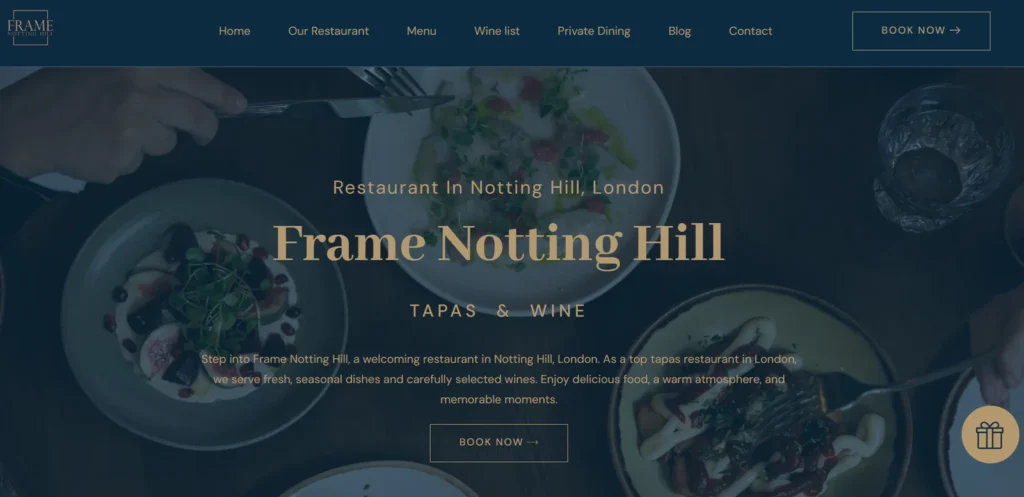
Frame Notting Hill
From a hidden gem in Notting Hill to ranking #1 for tapas searches across London...

RBG Roofing LTD
From a growing local roofing company to ranking across the Forest of Dean, here’s how we...
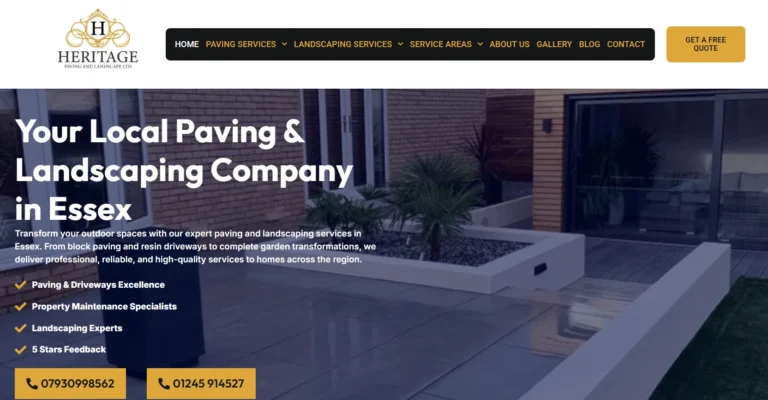
Heritage Paving Ltd
From a growing local paving company to ranking across Essex and multiple surrounding...
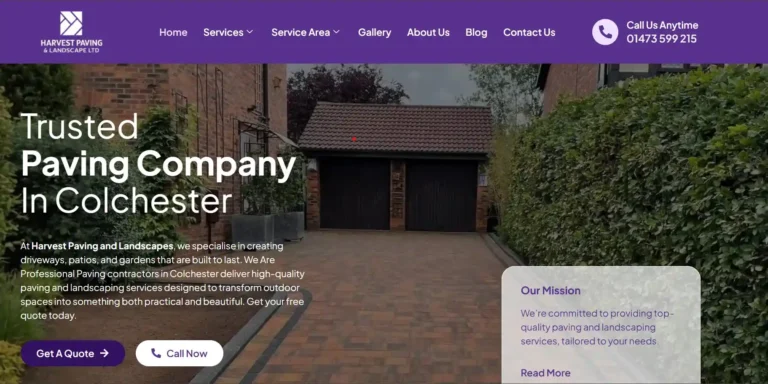
Harvest Paving LTD
From a brand new site with no rankings to dominating local search in Colchester...
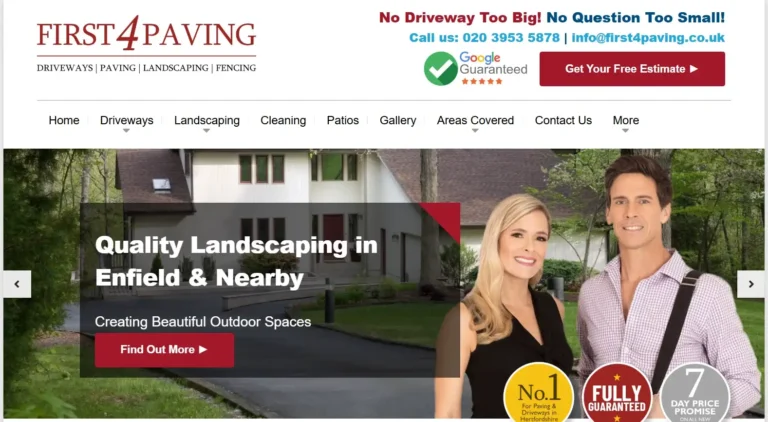
First4Paving
First4Paving had the reviews and the reputation, but barely 50 keywords ranking...
mEDICAL SEO SPECIALISTS
We Build Medical SEO That Clears Google's Standards
Google treats medical content differently from every other sector. Google assesses pages that affect health decisions by who wrote them, what qualifies them to write them, and whether the claims hold up. A perfectly optimised page with no named clinician behind it will lose to a worse-written one with a consultant’s name and credentials attached.
We build that layer in from the start. Named authors, verifiable credentials, review dates, and sources, so your pages clear a bar most practice websites never realise exists.
Your clinicians approve before we publish
Nothing clinical goes live without sign-off from someone qualified in your practice. We build that review step into the process rather than treating it as a delay.
We keep you inside advertising rules
The ASA, GMC and GDC all restrict what a practice can claim. We know where those lines sit, particularly around prescription treatments and before-and-after imagery.
Built for multi-site and multi-clinician practices
Separate location pages and individual practitioner profiles, structured so your Harley Street page and your branch page are not competing with each other.
We will not chase traffic that never books
Some conditions generate huge search volume and almost no private patients. We target the ones that actually fill your diary.
FAQs
What Clinics Ask Before Starting
Honest answers about search in a sector Google treats more strictly than any other.
Most practices see local visibility improve within four to eight weeks and meaningful treatment-term rankings within four to eight months. The biggest variable is your starting position: an established site with indexed pages moves considerably faster than a new domain, because search engines have to build trust in a new site from scratch, and that cannot be rushed.
Most practices spend between £800 and £3,000 per month. A single-site clinic with a focused treatment list sits at the lower end. Multi-site practices or those covering many treatments need more, because there are more pages to build and keep clinically current.
Because Google assesses health content against stricter quality standards. Pages that could affect someone’s wellbeing are judged on author credentials, accuracy and trustworthiness, so an unattributed page will struggle to rank regardless of how well it is optimised.
Build content around the symptoms patients search rather than the treatments you list, attribute every clinical page to a named practitioner with credentials, and keep your Google Business Profile complete with current appointment links and reviews.
It can, and increasingly that matters. Patients now search conversationally and many go directly to AI tools for health information. Clear, well-structured answers with named clinical authors are what these systems surface, which is the same work that improves traditional rankings.
Ads deliver enquiries immediately and suit launching a treatment or filling short-term capacity. SEO takes months but compounds and costs nothing per enquiry. Most private practices run ads while the organic work builds.